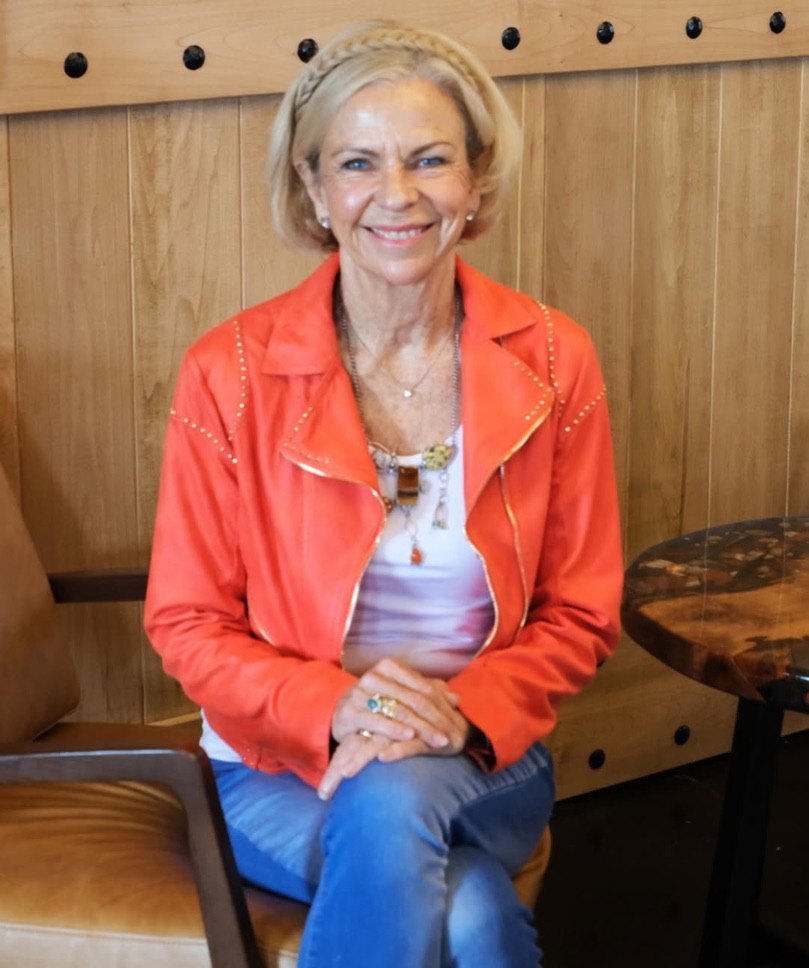
From Amanda's very early writing (1990s to early 2000s), shared as it was originally written.
The Silent Epidemic
I'm sitting in a plane, coming home froma conference in Adlaide. I'm bursting with pride for my cousins - Juliet Gore and her husband David Butler. Their contribution and committment to "All the world is full of suffering. It is also full of overcoming it"
Helen Keller
The conference was on pain - with an emphasis on chronic pain.
The suggestion was that people seek treatment when they are in pain - physical or emotional. And that the treating person needs to deal with the pain and look at the whole person and their lifestyle - not just the sore ankle or wrist or back.
David had a great way of describing chronic pain saying that it 'loses it's voice'. In other words, when we have bandages on or are using crutches or we have some obvious sign or reason for being in pain, it is more acceptable to ourselves and others.
However, as the pain continues, superficial signs heal but there may still be deeper, underlying - very valid - reasons for the pain to continue. One of the most interesting areas highlighted by the conference was Juliet's speciality -art therapy.
Now, before we think of it as an artisitic form of basket weaving or some other occupational therapy kind of activity designed to fill in the day and occupy someone's mind or to teach a few new skills, we need to know a little more about the discipline. Often called art psychotherapy, it's a way to give chronic pain a voice.
The pictures, peoms, paintings and sculptures that were on display were very powerful - one look at them and the many dimensions of the person's pain were obvious.
Adelaidey (with the help of the Physiotherapy Research Foundation and other individuals) put on thiswhich pain Listening was the major skill that was required - hearing not just the words but what emotions were behind the words; trying to really understand what was causing the pain; giving the person time to be heard.and it'smay disappear,are artisticpoeArt therapy is a process of allowing the person to come in contact with their pain without using words or being specific. It may be a way of them releasing 'stuff' or healing themselves at a deep psychological level. Or maybe they can at last express what they are feeling to others. Or maybe they just enjoy it!
Any way we look at it, with a qualified and skilled art therapist, this may be a wonderful treatment for people suffering from chronic pain- whether it's physical or emotional.
What else can we do if we have chronic pain? Make sure that you have someone who looks at the whole person treating you; someone that really listens to what you are trying to say. Attend a pain clinic where the focus is on treating the whole person. Keep moving within your limits - one of the main factors people experiencing chronic pain need to understand is that 'hurt does not always equal harm'. (quote from Dr Milton Cohen, a terrific rheumatologist who runs a pain clinic) And movement is critical to keep all the working parts of the body working.
Very often, people stop performing a movement because it hurts and so they seize up very quickly. The original cause of the pain heals but there is still pain , this time from the stiff muscles and joints being stretched , not the original injury. So the moral of the story is to KEEP MOVING - in the early stages , make the movements small so they don't hurt. as healing occurs, you should be able to make the movements larger and larger.
I wondered if a very simple form of art therapy would be a useful process for us to use in everyday life. In a situation where there are no rules and we have permission to express ourselves , any way we like , perhaps we could draw what someone means to us; or the significance of certain events in our lives (what does a divorce mean to a child / adult etc).
If we sometimes find it difficult to say what we feel in words, perhaps a picture would say it better; or a poem; or a sculpture. It may help us get in touch with what we are feeling which by itself may be beneficial. Let alone what it may say to others without us getting caught up in the words.
So as Helen Keller said, 'there are many ways of overcoming suffering '- add this information to your list of techniques to try.