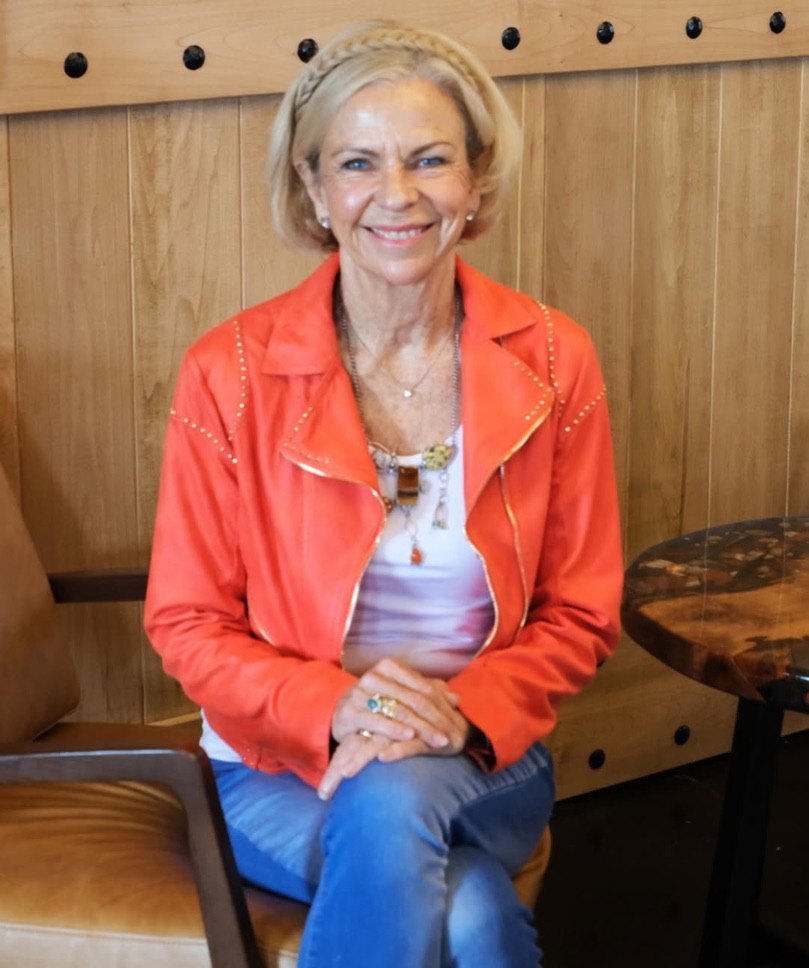
From Amanda's very early writing (1990s to early 2000s), shared as it was originally written.
When a flock of geese head out for a long journey, they are organized in a very specific and structured way that reduces the stress of the long distance travel.
Each member is responsible for getting itself to where ever the group is going, they take responsibility for themselves. Every member knows the direction they are headed. When the lead goose becomes tired , a goose from the back of the pack assumes the leadership position. Members of the flock honk from behind, not to attack but to encourage the leaders! If a goose is injured or needs to rest, two geese follow it and protect it until it recovers or dies. The geese change the way they act based on the task at hand, they fly in a ‘V’; land in waves and feed in fours. This social support is critical for a healthy goose!
Recently , studies have again highlighted the importance of social support for human wellness. Social support means we have friends and family around us; we feel connected to others and we are not alone in the world.
People today spend too much time in front of computers or the TV, when they could be sitting around with family or a group of friends, talking, laughing and connecting.
Loneliness in Australia is endemic (meaning everywhere!) according to Hugh McKay , Australia’s leading social researcher. We have more single households than ever before, single parents or single people. Home delivery food is on the rise; dinner parties are on the decline; Internet chatrooms replace real human contact; and videos at home substitute for outings with friends.
People are so busy, working long hours and anxious about everything, that we lose sight of this more subtle, but critical, aspect of wellness, the need for human contact. At the end of a long day, or long week we arrive home too exhausted to make the effort to communicate with others, harming you and your relationships.
How long since you saw your best friends? Or you made the effort to have all your friends round to a party, or at least arranged a dinner party at a restaurant if you have no time to cook? When did you last ring a good friend and have a human chat with them, as opposed to emailing them? How can we respond in a supportive way without seeing our friends eyes and face and hearing their voice as they speak, so we sense their feelings?
What happens to children who spend all their time on computers or in front of Nintendo games or the TV? Even if they sit together in front of the computer games, their total focus is on the game, rather than conversation; or inventing new games to play, learning to enjoy silence, being bored together or discussing feelings they are experiencing.
BC (before computers), they would be outside playing with friends; exercising their growing bodies and joints, and learning relating skills that are crucial for life relationships. The Scouts and Girl Guides movements and team sports are useful to develop these skills in children and adults.
So, if 10 is you have stacks of people in your life who love and support you and 0 is you have no one, not even a dog, where are you on the scale of social support? If you are near the 0 end, then quickly make an effort to recontact your friends and family if you love them; or join clubs or sports teams; or find a hobby and join a group who shares your interests; or learn a new sport, have lessons; volunteer to help some community group; become an active member of the Guides or Scouts.
There are hundreds of ways for you to increase the level of social support in your life, and many include you making the initial move. Take responsibility for yourself and soon, you’ll have your own ‘flock’ to support you on your life journey!
667 words