From Amanda's very early writing (1990s to early 2000s), shared as it was originally written.
How Do You See Things?-CM/WA
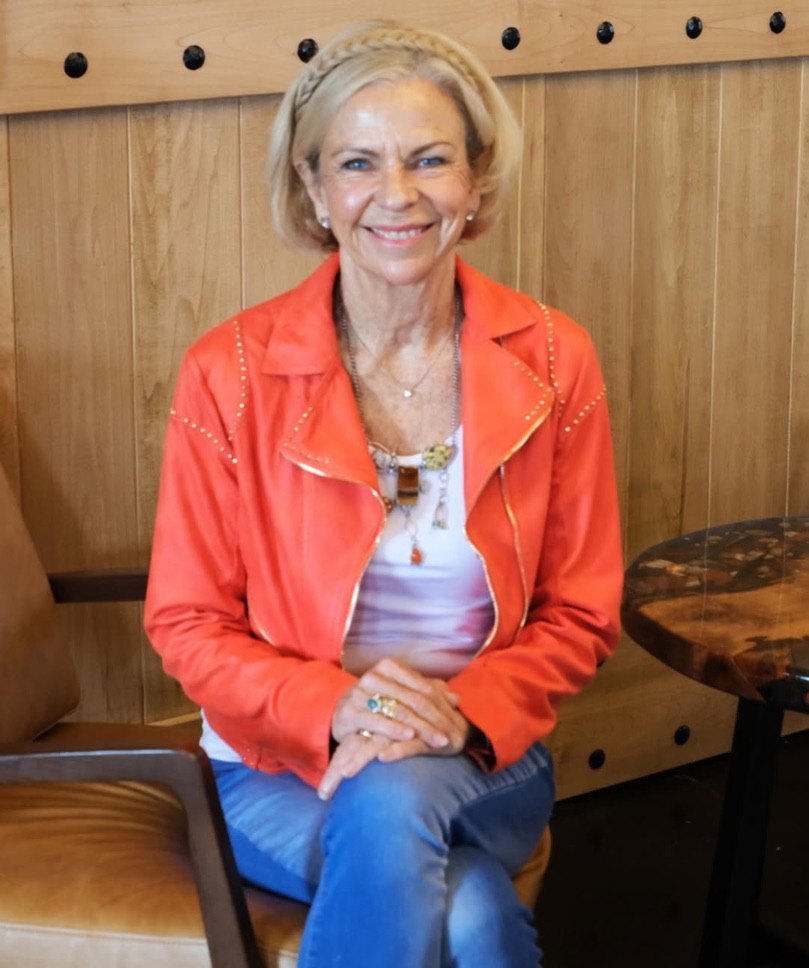
Last week I had the great honor of meeting Dr Rosie King - the well known sex and relationship counsellor. She is a wonderful woman of great wisdom, gentleness and compassion.
We talked about all sorts of things (at a million miles an hour!) and she shared with me one of the strategies she often uses in her counselling. When helping someone to see things from a different perspective, she asks them to imagine a pyramid with verandahs at varying heights- like wrap - around balconies.
At the start of our lives, the beginning of a situation or certain times in our lives, we stand at the base of the pyramid and the view from there is fairly limited. We can see only a short distance and small pebbles at our feet seem to be very large rocks.
As life progresses, or situations change we can sometimes move to one of the verandahs above. From this position we can see a much bigger and broader picture; things change perspective. Pebbles that loomed large become pebbles again. We have different viewpoints. Different ways of looking at and thinking about things. We have more options and choices because we are able to see the whole picture - a panorama - and all the parts involved.
It's similar to driving up a mountain - at the base we are lost in the surrounding forest and scenery. Winding our way to the top we pass various lookouts and from each lookout as we rise higher, we see a completely different perspective of the same scenery. I know whenever I visit a high place where I can see for miles, my problems seem to suddenly appear very small!
Imagine how useful this technique can be. When faced with any situation, issue or dilemma ask yourself 'on which verandah am I standing?'. Are there any higher ones from which I would see more, I would have a better understanding of my current situation? From this vista, could I empathise with why another person is behaving the way they are? Are there other ways I could be thinking or behaving that would alter things?
Or perhaps you could use it to look at your past and sense what you have been through and learned? Could you begin to understand why people behaved the way they did - and forgive them?
Or look out to the future and sense what will happen if you continue on your current path; or imagine future scenarios based on a series of different behaviors in the present. Are there other possibilities, scenarios you never considered 'out there'!
At work , when negotiating, determine the level on which your 'opponent' is standing. If you can't reach some sort of agreement at that level, try verandahs above and below the current one.
In work teams or when brainstorming, imagine what it would be like if you stood on a series of levels above and below the one you are on. It's what Glenn Capelli calls "what if thinking'. What other approaches or possibilities surface from these different vistas?
In your family relationships, can you be more tolerant, understanding or caring if you climb to a higher level?
Maybe this could become a monthly ritual - find a high lookout somewhere near where you live and sit there for a couple of hours per month or every couple of months. Spend the time reviewing aspects of your life - putting them into perspective; asking what if; looking towards the future; scanning the past, learning from it and then moving on.
with ideas like this one, it's no wonder that Dr Rosie is so popular and effective.
73 How Do You See Things?
Last week I had the great honor of meeting Dr Rosie King - the well known sex and relationship counsellor. She is a wonderful woman of great wisdom, gentleness and compassion , who appears on TV and writes for the Woman's Day.
We talked about all sorts of things (at a million miles an hour!) and she shared with me one of the strategies she often uses in her counselling. When helping someone to see things from a different perspective, she asks them to imagine a pyramid with verandahs at varying heights- like wrap - around balconies.
At the start of our lives, the beginning of situations or certain times in our lives, we stand at the base of the pyramid and the view from there is fairly limited. The horizon is very close, we can see only a short distance and small pebbles at our feet seem to be very large rocks. In other words, we can't see the 'forest for the trees'. We lack clarity about what is happening to us; we don't have the ability to see the whole picture or sense the perspective of where we are.
As life progresses, or situations change we may choose to move to one of the verandahs above. From this position we can see a much bigger and broader picture; things change perspective. Pebbles that loomed large become pebbles again. We have different viewpoints. Different ways of looking at and thinking about things. We have more options and choices of how to behave and think because we are able to see the whole picture - a panorama - and all the parts involved.
We might suddenly have an understanding of why someone else is behaving in a certain way, or we may understand our own feelings about the situation. We may be able to recognize other influences that we had been unaware of from the lower level.
It's similar to driving up a mountain - at the base we are lost in the surrounding forest and scenery. Winding our way to the top we pass various lookouts and from each lookout, as we rise higher, we see a completely different perspective of the same scenery. I know whenever I visit a high place where I can see for miles, my problems seem to suddenly appear very small! In corporate terms , it's a global versus a local view!
Imagine how useful this technique can be. When faced with any situation, issue or dilemma ask yourself 'on which verandah am I standing?'. Are there any higher ones from which I would see more, I would have a better understanding of my current situation? From this vista, could I empathise with why another person is behaving the way they are? Are there other ways I could be thinking or behaving that would alter the scenario? What choices and options do I have at this level?
Or perhaps you could use it to look at your past and sense what you have been through and discover the lessons you've learned? Could you begin to understand why others and you behaved the way they did - and forgive them and yourself? It's often easier to be compassionate when we are thinking more broadly.
Or look out to the future and sense what might happen if you continue on your current path; or imagine future scenarios based on a series of different behaviors in the present. Or are there other possibilities, scenarios or opportunities you never considered 'out there'! This is similar to creative visualisation - where you vividly imagine what you would like to have happen.
At work , when negotiating, determine the level on which your 'opponent' is standing. If you can't reach some sort of agreement at that level, try verandahs above and below the current one. Once we have agreement at some level, there is a common starting point - progress is usually much more rapid.
In work teams or when brainstorming, imagine what it would be like if we stood on a series of levels above and below the one we are on. It's what Glenn Capelli calls "what if thinking'. What other approaches or possibilities surface from these different vistas? They may seem ridiculous ideas, but they are often the seed of a brilliant new concept.
In your family relationships, can we be more patient, tolerant, understanding or caring if we climb to a higher level?
Maybe this could become a monthly ritual - find a high lookout somewhere near where you live and sit there for a couple of hours per month or every couple of months. Spend the time reviewing aspects of your life - putting them into perspective; asking what if; looking towards the future; scanning the past, learning from it and then moving on.
With concepts like pyramids with verandahs , it's no wonder that Dr Rosie is so popular and effective. And a lovely person!