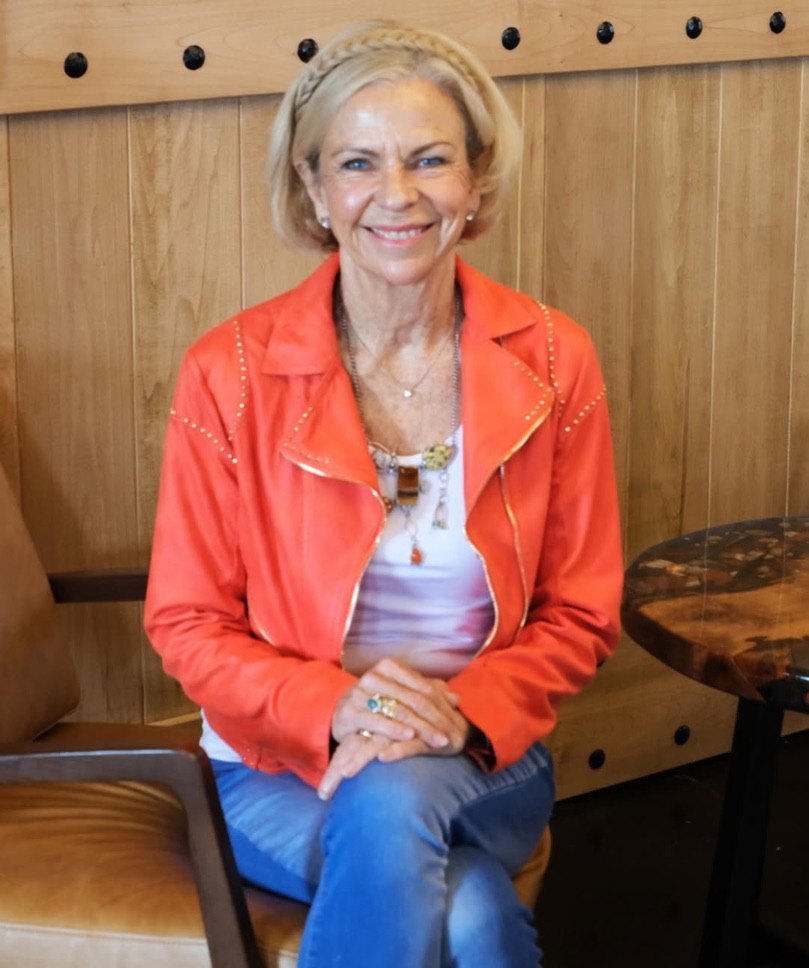
From Amanda's very early writing (1990s to early 2000s), shared as it was originally written.
OPTIMISM look on the bright side of life.
NEEDS WORK
Do you remember the movie "Life of Brian"? I loved that song 'always look on the bright side of life' and often use it as the theme for my presentations and seminars. Well, it's now scientifically proven that the statement is true!
Last night I attended a lecture by Professor Martin Seligman, the man who wrote "What you can change and what you can't". An eminent psychologist, he has spent decades researching humans and how we function with a particular interest in depression, optimism and pessisism.
His comments and studies are fascinating. He believes there is an epidemic of depression - particularly in young children. Some horrifying statistics showed that out of 700 children, 15% will be quite severley depressed.
And now, for the comments to frighten parents....the single most significant factor contributing to early childhood depression is parental fighting. Now, I would assume he wasn't referring to the occaisonal tiff that seems fairly normal if we consider two independant adults living together. I guess if fighting was the norm in your household and you were only staying together 'for the sake of the children' , don't. You are doing them far more harm than good. Interestingly, it would appear that there is a strong genetic component in clinical depression; adult experieces are moderately important in developing depression and childhood traumas only have a small impact in the development of adult depression.
It appears that there is also a genetic component in many personality characteristics that we had previously thought environmentally induced. But, the most important feature of all his research is that being optimistic is fantastic for your health and your success.
Pessimisstic people are more likely to be depressed, fail, be poor achievers, have poor health (especially as we age) and suffer electoral defeat. The last bit will no doubt worry many of my faithful readers! Optiomists handle stress better, bounce back from setbacks more quickly, have better health, sell more, achieve more
u(that is, if your parents /grandparetns were depressed you are more likely to be prone to depression)
Sop, he claims that all the focusing on what happened to you in childhood and dealing with these issues may not as beneficial as we originally thought. Searching your soul and blaming parents may not be the answer. Sorry, folks! But it does appear that on going fighting among parents does have a detrimental effect.
When someone asked about sexual abuse in childhood, he answered that when children from these situations were analyzed, it would appear that they bounce back pretty well - most children are resiliant. BUT, they do inherit theiri parents genes and the genes of fathers or mothers who are into sexual abuse must not be too great. It also appears that one of the key factors preventing children bouncing back form these experiences is litigation. Where the child must relive the experiences regularly. For example, he quotes studies that suggest anxiety, depression and loneliness have significant genetic components. y of my faithful readers! Pessimists who deveilop cancer will die at a much higher rate than optimists. Pessimists who have heart attacks die far more often from the second heart attack than optimists. Opti and generally live longer, happier , weller lives.
So, how to become optimistic. Well, first, buy his book "Learned Optimism" and then sstart to think about how you talk to yourself and how you think. And about how you handle setbacks and challenges. Professor Seligman suggests there are three keys to developing optimism and helping our children be depression free. One, recognize that sadness, anxiety and anger are feelings that we need. They are there to warn us and send us messages of danger, loss or trespassing. They are important parts to living a safe life.
Secondly, we need to flow more. Flow occurs when time stops for us. When 'our highest skills are matched to our highest achievable challenges'. Challenge, competition, anxiety and frustration are important for flow. We need to be stretched occaisonally to know how much we can achieve and how good we really are; and to recognize our potential.
And thirdly, persistence is critical. Optimists will persist far more than the old pessimist who gives up quickly because they 'always fail'. If we shield ourselves, loved one or children from obstacles, from challenges and difficult tasks, how do they develop mastery? "If we cushion children from feeling bad, we make it more difficult for them to feel good."
So, we need to teach ourselves and our children (BEFORE depression sets in) the skills he outlines in both his books. I would recommend you read them and give them to friends and rels! And from today , this minute, question the way you view events , people etc. Are you optimistic? Looking after your physical wellness is great, adn it's only part of the equation. Being optimistic gives you a 'secret weapon' for staying well; combatting disease and really living.
So rush out and buy the soundtrack from 'life of Brian' and remember folks - always look on the bright side of life' - it might just save your life!