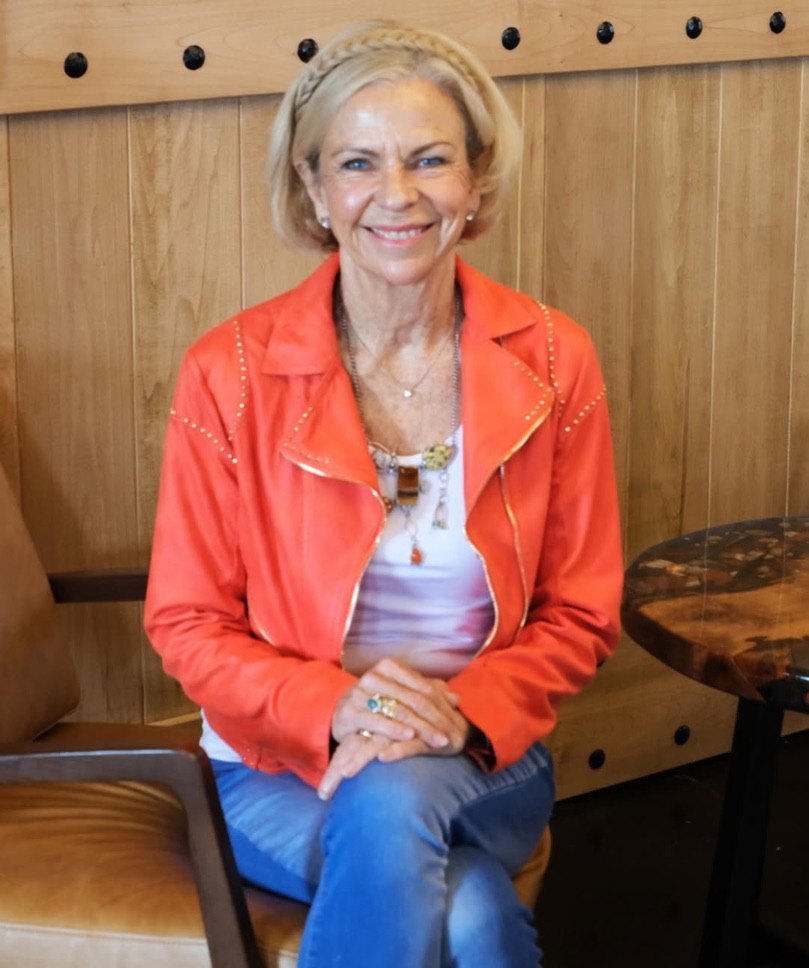
From Amanda's very early writing (1990s to early 2000s), shared as it was originally written.
self esteem
My hair dresser , who is in fact a very wise philosopher, when asked what she thought of when I mentioned self esteem, immediately said 'trapped'.
Isn't it funny how one word can create such a complete picture? When she elaborated, she said she believed people with low self esteem were trapped - and I agree.
How many times in our lives do we limit ourselves, ignore or lose opportunities, sabotage situations and just generally feel - unnecessarily bad - because we have low self esteem? Some weeks ago , a reader wrote a note asking me to write an article on self esteem and how to improve it - and ever since I have been thinking about the whole concept.
Initially I thought about definitions - and I concluded that self esteem started with self awareness and knowledge, which can lead to the blend of self confidence, self worth, self love, self like , self learning , self acceptance and development that combines to create healthy self esteem.
During this period, I have also spoken at conferences in America and the contrast (as a gross generalisation ) between Australians and our beliefs about ourselves and Americans is dramatic. They are encouraged at school and generally in their culture, from an early age to be confident and proud of their achievements. This self confidence is one component of self esteem.
What do we have as a cultural icon? A tall poppy and how to cut it down! Anyone who does well here or achieves a great deal (unless a sporting hero) can usually expect criticism and ridicule to make sure there is no 'bullshit' or that they do not travel too far 'up themselves'!
For whatever reason, huge numbers of Australian men and women seem to suffer from low self esteem - or are 'trapped' as Caralyn says. And it's epidemic in proportion as parents with low self esteem raise children with low self esteem.
As I pondered the reasons for this, I worked out the single biggest enemy to healthy self esteem is two fold - the first, our beliefs about ourselves which we develop at early ages from parents and grandparents, siblings, school teachers, lovers or ex lovers, friends and other significant people in our lives; and secondly, what we say to ourselves (and how we choose to see, hear or feel about situations) to reinforce those beliefs.
Another key factor was that we almost never take time out to reflect on all the 'stuff' we say to ourselves , which then determines how we feel, and question it's origin or validity. These thoughts just seem to swirl around at an unconscious level like some milky film coating everything we do. And we are trapped because we are unaware of the hold and effect of this film.
Of course, there are zillions of other factors but we only have time for one column! So , lets tackle what I think are the starting points?
firstly, make a commitment to listen to what you say to yourself about yourself for one week at least. Even write some of them down in a special 'self esteem' book. And, after you have recovered from the shock of some of the terrible things you throw at yourself, things you would never dream of saying to your worst enemy let alone best friend, ask yourself 'where did this belief originate?.
Is it your voice? Or a parents? Or your brother or sister? A teacher? a friend? Or - this one's a beauty - an ex lover! Now for the 'big question'...is it true , current or valid? If it is really , absolutely true, then what can you do to work on this behavior or belief? Can you do it by yourself or do you need to seek help from a professional, qualified person?
If it's not true, then we need strategies that can help us change that internal dialogue. When we are watching a violent or disturbing program on TV and we turn it off, what happens on the TV screen in our mind? We continue watching the same scenes. Instead, it's better to change the channel and watch something that can fill up our mind screen with pleasant images. The same applies for self talk. To try and turn off the 'tapes' leaves a gaping whole waiting to be filled with more negative garbage.
Instead, we need to decide what program we would prefer to run after we eliminate the unwanted script. A simple technique that the cynics will scoff at, is to find a rubber band the same size as your wrist; place it on your wrist and ever time you hear an internal comment that you had decided was not true or valid, pull the rubber band way out and let it snap viscously back onto your wrist! This is the best way to stop unwanted, unwarranted thoughts! We are very Pavlovian (like the dogs , not pavlovas!) in some ways!
Once the blood is running (joke), and the thought is gone, replace it with your preferred sentence or belief about yourself. We can all choose to change our beliefs about ourselves - it may not be easy but we can do it - with enough commitment and time to change.
Another major strategy is to surround yourself with safe people - people who love, like and accept you just as you are; and avoid toxic people (those who delight in 'helping' you not become too big for your boots'!) until you are ready to test the strength of your new self esteem and worth.
Above all, accept yourself - warts and all. We are all human and if we didn't have minor flaws, if we were perfect already, we wouldn't be here cos we would have learned all our lessons!
Remind yourself it's OK to be learning and growing and developing - that's what life is all about. See this self esteem improvement program as an exciting adventure as opposed to a hideous struggle! It's better than a lifetime of being trapped. Anyway, guess what? No matter what you think, your warts are not that big!